Long-term maintenance High-security servers in the United States Cost control and optimization recommendations for that period: In the face of continuously evolving cyberattacks and compliance requirements, businesses must strike a balance between security and cost. This article provides actionable recommendations regarding cost composition, optimization strategies, and operational practices, to facilitate the formulation of long-term budgets and technical implementation plans.
First and foremost, it is important to clarify that the cost composition includes bandwidth and data usage fees, costs for security services, hardware and virtualization resources, operational and maintenance personnel expenses, monitoring and backup services, as well as costs related to compliance and auditing. Different vendors and deployment architectures can affect these proportions, and it is necessary to regularly review them in conjunction with business traffic peaks and the level of attack risk.
Using auto-scaling and on-demand expansion can help save on resource costs during periods when there is no significant activity. By conducting capacity planning, it is possible to identify normal load levels and peak attack volumes. By setting appropriate reserve and surge strategies, excess reserves that may result in unnecessary overhead can be avoided, while ensuring sufficient redundancy to handle sudden increases in traffic during attacks.
Bandwidth is often the main expense in the deployment of advanced security measures. Optimization methods include compressing and caching static content, using intelligent scheduling to reduce outbound traffic, purchasing elastic bandwidth on demand, and utilizing traffic cleaning services that charge based on actual attack traffic. These approaches help to distribute traffic more efficiently and reduce ongoing bandwidth demands.
Make a rational choice when combining bare metal with cloud hosting, and utilize virtualization and containerization to improve resource utilization. By replacing over-configured vertical scaling with horizontal scaling, and by using standardized image templates and automated deployment processes, the complexity of maintenance and the cost associated with hardware depreciation can be reduced.
Enhancing security checks and implementing multiple layers of protection inevitably leads to increased costs. It is necessary to assess the criticality and tolerance of each business process, and implement tiered protection measures based on the level of risk involved: Implement strict protection and redundancy for critical services, while adopting lighter protection strategies for secondary services to balance security and cost.

Advanced monitoring and automation can significantly reduce long-term operational costs. Implementing alarm prioritization, automated response scripts, and routine inspection automation, combined with metric-driven capacity adjustments and fault simulation exercises, can reduce the frequency of manual interventions and the additional costs associated with errors.
When deploying services within the United States or using cross-border services, it is necessary to consider compliance and data sovereignty requirements, as these factors can affect the costs associated with backup, log retention, and auditing. By carefully selecting the data center region and service model, and incorporating designs that minimize data transmission, additional compliance-related costs can be reduced.
Suggestions for cost control and optimization when maintaining high-security servers in the United States over the long term should begin with risk assessment, and gradual improvements can be achieved through the use of elastic resources, bandwidth optimization, virtualization integration, security stratification, and automation of operations and maintenance. It is recommended to establish a regular evaluation mechanism to verify the effectiveness of these optimizations at various stages, and to use the resulting cost savings to enhance detection and response capabilities, thereby ensuring long-term and sustainable protection.
- Latest articles
- Basic Information On Taiwan Proxy Servers, Common Terminology Explanations, And Purchase Precautions
- How To Choose A Cloud Server In Thailand: From Network Latency To After-sales Service, Comprehensive Aspects
- Recommended Recommendations For Operators To Improve Thailand's High-Defense VPS Protection And Bandwidth Stability By Comparison
- Optimized Storage Costs For Hong Kong Hosted Servers, Hard Disk Servers, Layered Storage, And Cold Archiving Solutions
- Are Tencent Cloud Korean Servers Native? Recommendations For Local Service Provider Integration And Latency Optimization
- The Enterprise Migration Guide Teaches You How To Apply For US Dual-line Server Hosting To Ensure Compliance
- How Does AWS Cloud Server In Japan Charge? Bill Analysis And Fee Alert Settings
- Beginner's Guide: Which Hong Kong Site Cluster Servers Are Best To Use? Choose Based On Your Business Scale
- A Detailed Explanation Of US High-defense Servers Involves Latency, Bandwidth, Cleaning Capability, And SLA Comparison
- A Summary Of Common Questions About Hong Kong VPS Access In The US And A Guide To Optimal Connection Configurations
- Popular tags
-
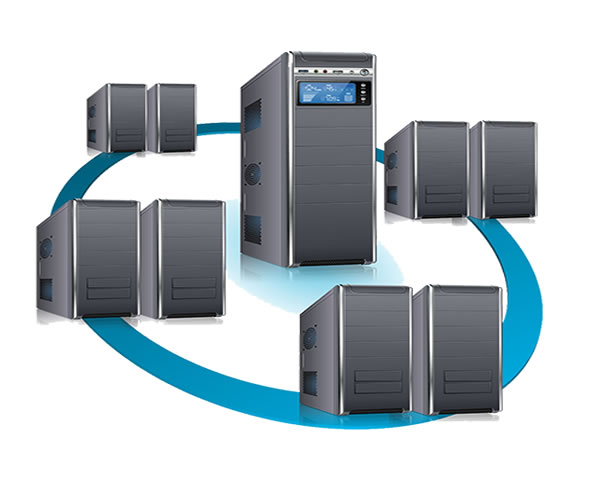
Common Protective Equipment And Layout Points In Pictures Of American High-defense Servers
analyze the common physical and network protection equipment, computer room layout points and inspection points in the us high-defense server pictures, and help seo and geo-location search understand the security measures visible in the high-defense server diagrams. -
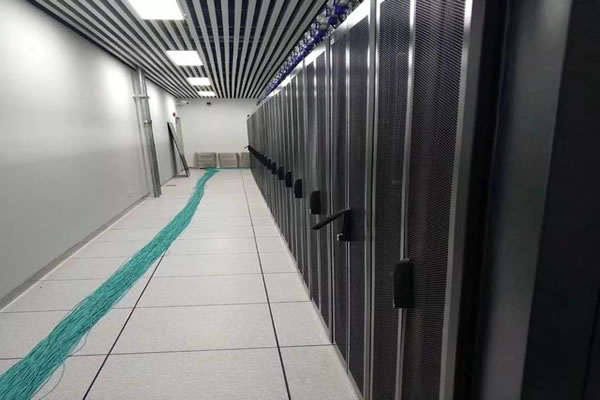
Analysis Of The Characteristics Of American CN Server And Its Applicable Scenarios
This article analyzes the characteristics and applicable scenarios of US CN servers to help users better choose the right server. -
Selection And Comparison Tips For Us High-defense Server Rental Services
this article explores the selection and comparison skills of high-defense server rental services in the united states to help users find the right service provider.